Researchers from Beijing University of Technology have developed an innovative process for efficiently recovering tungsten (W) and molybdenum (Mo) from waste fluid catalytic cracking (FCC) catalysts. The proposed method, termed "oxidative roasting-alkali roasting-wet ball milling leaching," offers a dual benefit: it significantly enhances the extraction efficiency of these valuable metals while minimizing waste liquid and gas emissions, achieving a balance between resource recovery and environmental sustainability.
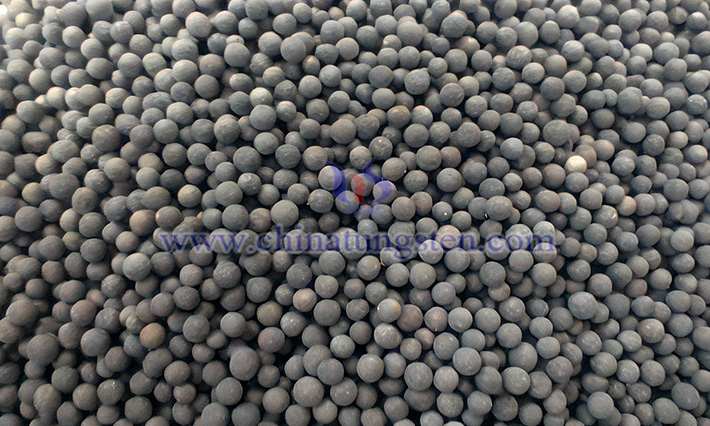
FCC catalysts are crucial in petroleum refining, particularly in the catalytic cracking process. They lower the activation energy of reactions, enabling faster and more efficient cracking at lower temperatures and pressures. This process is vital for improving petroleum resource utilization and increasing the yield of light oil products. FCC catalysts typically consist of three main components: active components (usually acidic molecular sieves), carriers (such as alumina or silicon oxide), and co-catalysts (which enhance catalyst performance).
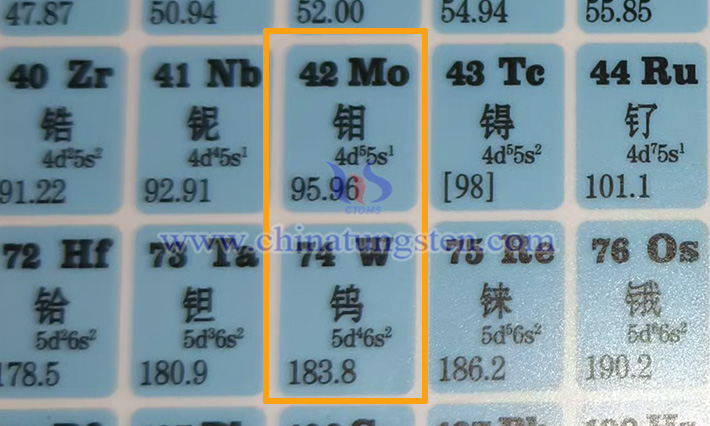
As global attention shifts toward resource recovery and environmental protection, the recycling of waste FCC catalysts has become a critical challenge. Existing methods for extracting tungsten and molybdenum from these catalysts often suffer from low extraction rates and complex procedures. To address these issues, the Beijing University of Technology team proposed the "oxidative roasting-alkali roasting-wet ball milling leaching" process. Through extensive optimization, they achieved average leaching rates of 87.23% for tungsten and 99.50% for molybdenum under specific conditions: 200 mesh particle size, a liquid-solid ratio of 2.79, wet grinding time of 1.18 hours, a ball-to-material ratio of 6.44:1, and a roasting time of 114.61 minutes. Their findings were published in the journal Tungsten under the title "Extraction and response surface methodology optimization of tungsten and molybdenum from spent fluidized catalytic cracking catalysts."
Tungsten and molybdenum are both strategic metals with significant industrial applications. Tungsten, known for its high density, melting point, hardness, and strength, is widely used in electronics, aerospace, and mechanical manufacturing. Molybdenum, valued for its strength, high melting point, and corrosion resistance, is essential in steel production, electronics, and chemical industries. Recycling these metals not only alleviates resource scarcity but also reduces production costs and environmental pollution.