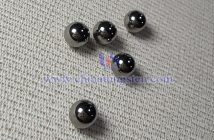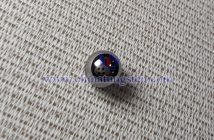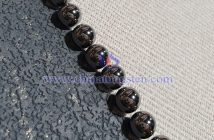
Tungsten and lead beads are the primary materials for fishing sinkers (weight beads) and are gaining significant attention in modern fishing. Tungsten beads typically refer to high-density tungsten alloy beads (density approximately 17.5-19 g/cm3), while lead beads are traditional lead or lead-tin alloy products (density approximately 11.34 g/cm3). Their performance is clearly different, and tungsten beads are gradually replacing lead beads, becoming the mainstream choice for environmentally friendly and competitive fishing.
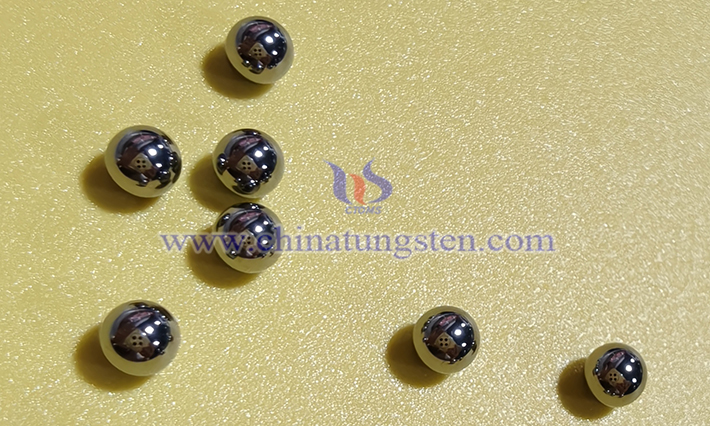
Firstly, tungsten beads have a higher density. For the same weight, tungsten beads are about 40-50% smaller in volume than lead beads. This brings multiple advantages: less water resistance upon entry, faster sinking speed (up to 20-30%), stronger wind resistance, and longer and more accurate casting. In lure fishing, platform fishing, or deep-water wild fishing, tungsten beads reach the target water layer faster, reducing drift and making them suitable for complex currents or wavy environments. Lead beads, being larger, are more susceptible to disturbance from waves, sink slowly, have poor concealment, and are more easily detected by fish.
Secondly, tungsten beads offer superior sensitivity and bottom contact feedback. Tungsten alloys are extremely hard, with a Mohs hardness of 7-9 or higher, resulting in clear and sharp vibration transmission. Anglers can clearly sense whether the bottom is rocky, muddy, or weedy through the rod tip or line setup, and even distinguish subtle bites. Lead beads, being soft, have a low landing feel, absorb vibrations, and transmit vibrations vaguely, suitable for the softer feel sought by traditional anglers, but significantly inferior in competitive or lure fishing. Tungsten beads also produce a crisp sound when struck against a hard bottom, aiding in terrain assessment.
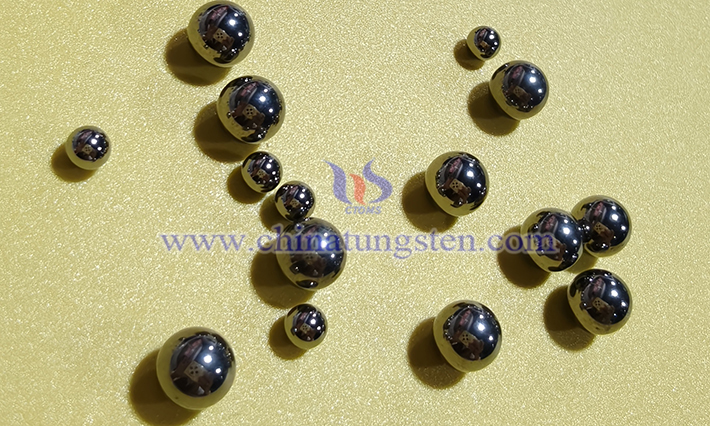
Thirdly, tungsten beads offer greater durability and environmental friendliness. Tungsten alloys are wear-resistant, corrosion-resistant, and less prone to deformation. After snagging, they can often be retrieved and reused, resulting in lower long-term costs. Lead beads, being soft, are easily deformed or broken when scraped, leading to a shorter lifespan. More importantly, lead is a heavy metal poison; when it falls into water, it dissolves and releases lead ions, harming aquatic life and accumulating in humans through the food chain. Tungsten alloys are non-toxic and non-radioactive, meeting international environmental standards and have become the preferred choice for green fishing tackle.
Of course, lead beads also have significant advantages: they are inexpensive, typically costing only 1/5 to 1/3 the price of tungsten beads, easy to cut and adjust weight, and have a soft feel. Many traditional anglers or those with limited budgets still prefer lead beads. However, with increasingly stringent environmental regulations and technological advancements, the use of lead beads is rapidly shrinking.